Celebrating 90 years of Ambulance & Rescue in Guernsey
1 June 2026
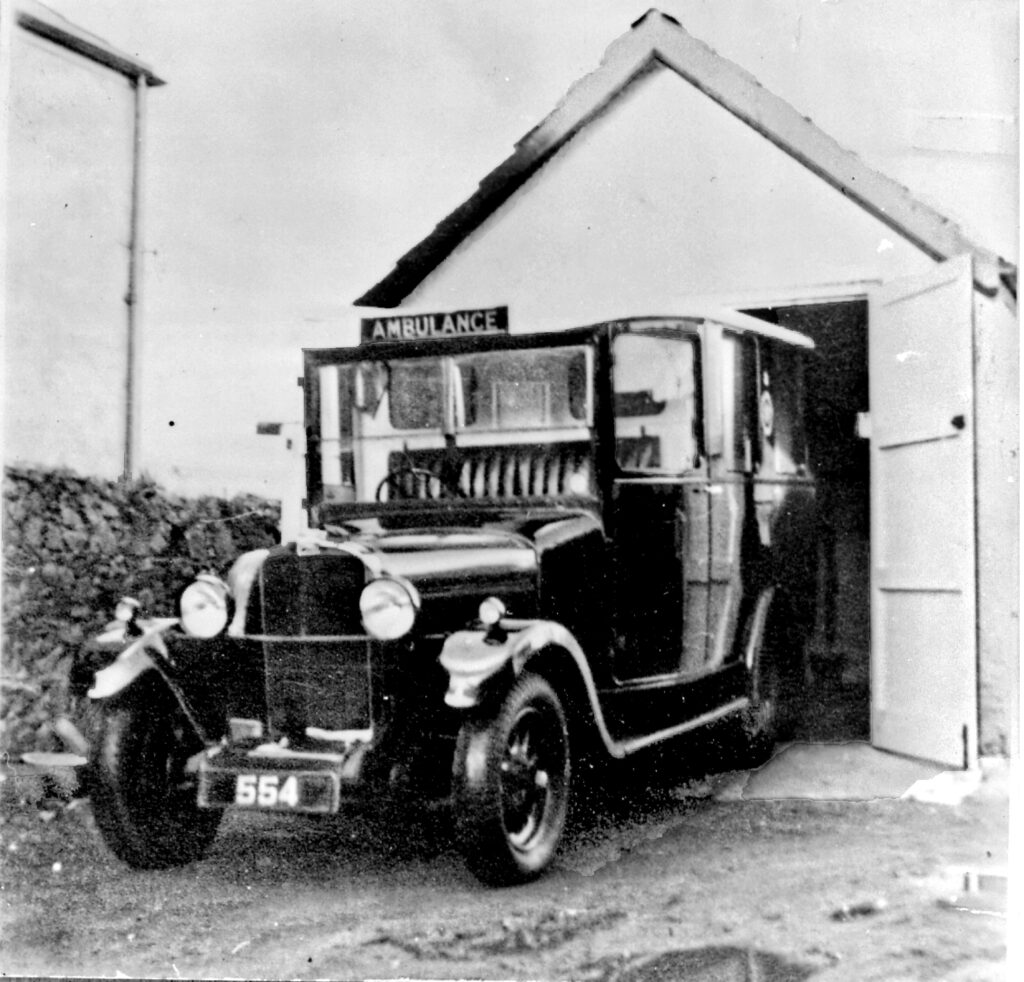
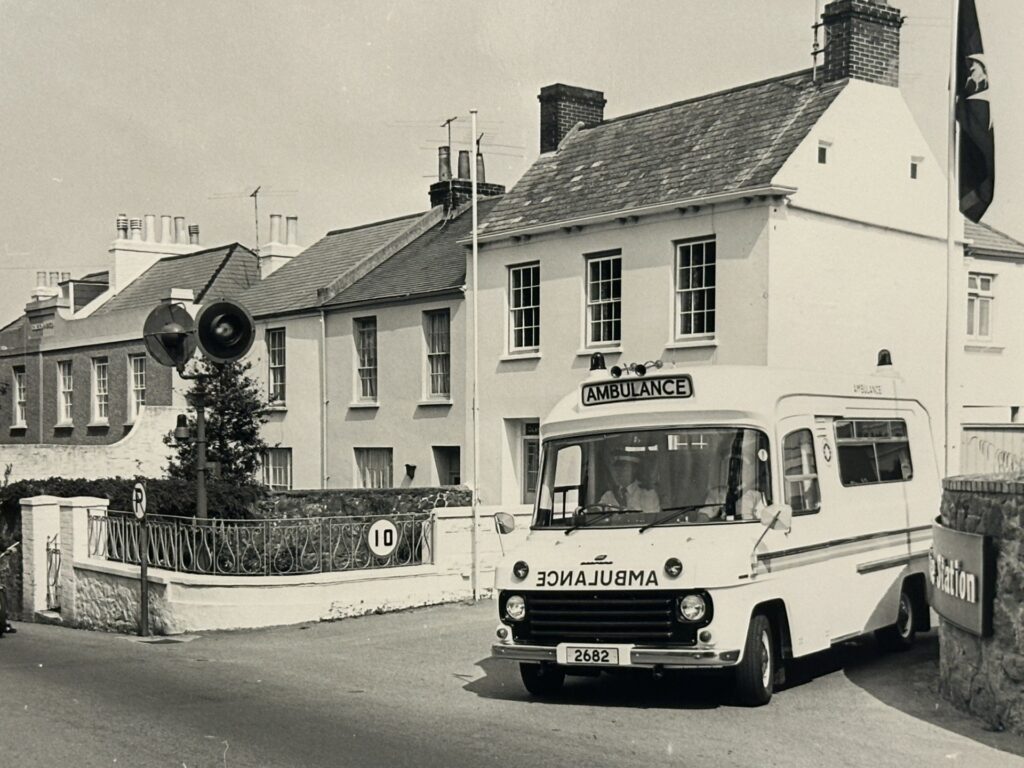
On 2nd June 1936, at 5pm, the first ambulance left the Rohais to respond to an emergency call marking the start of a new chapter in the island’s history.
It was the brainchild of Reg Blanchford who years earlier had suffered life-threatening injuries in a motorcycle crash and was left waiting on the roadside for the States-run part-time ambulance to take him to hospital. His wait was so long a passing motorist picked him up and took him to the doctor. While recovering Reg decided there was a need for a dedicated ambulance service with trained personnel.
After joining the St John Ambulance Brigade and much lobbying, Reg raised enough support and funding to by a second-hand ambulance, run by the newly formed Transport Division. It was funded through subscriptions and small grant from the States of Guernsey. He convinced his father to allow him to base it at the family concrete works on the Rohais. The ambulance service still operates from that site to this day.
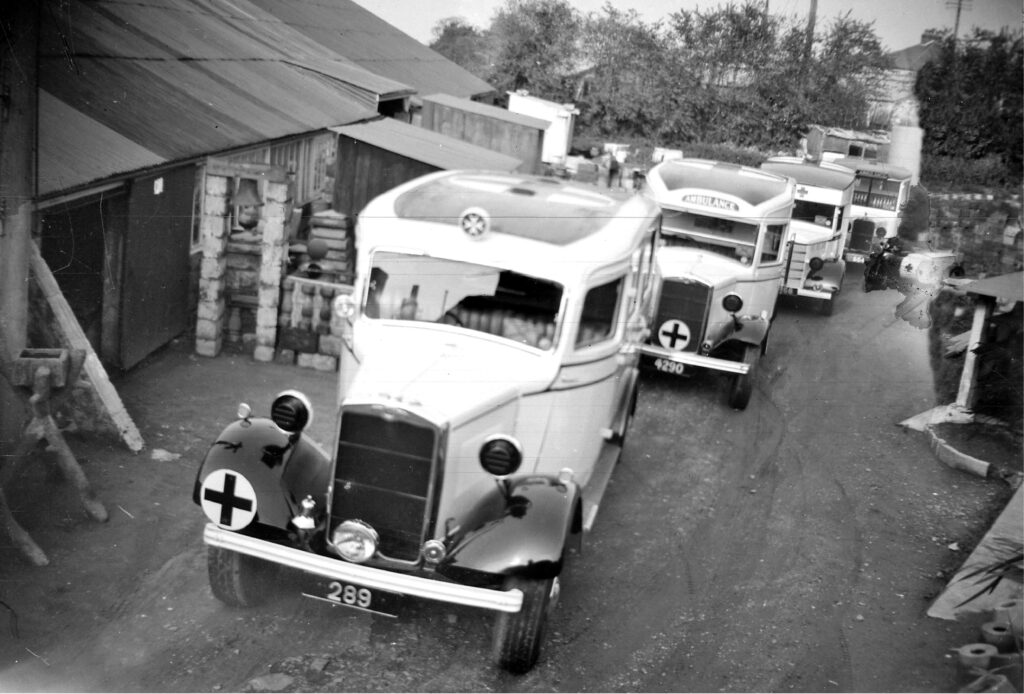
A few years later, in 1940, Guernsey was occupied by German forces. Despite the restrictions, St John continued to run the ambulance service throughout the Occupation, providing care for island who remained on the island.
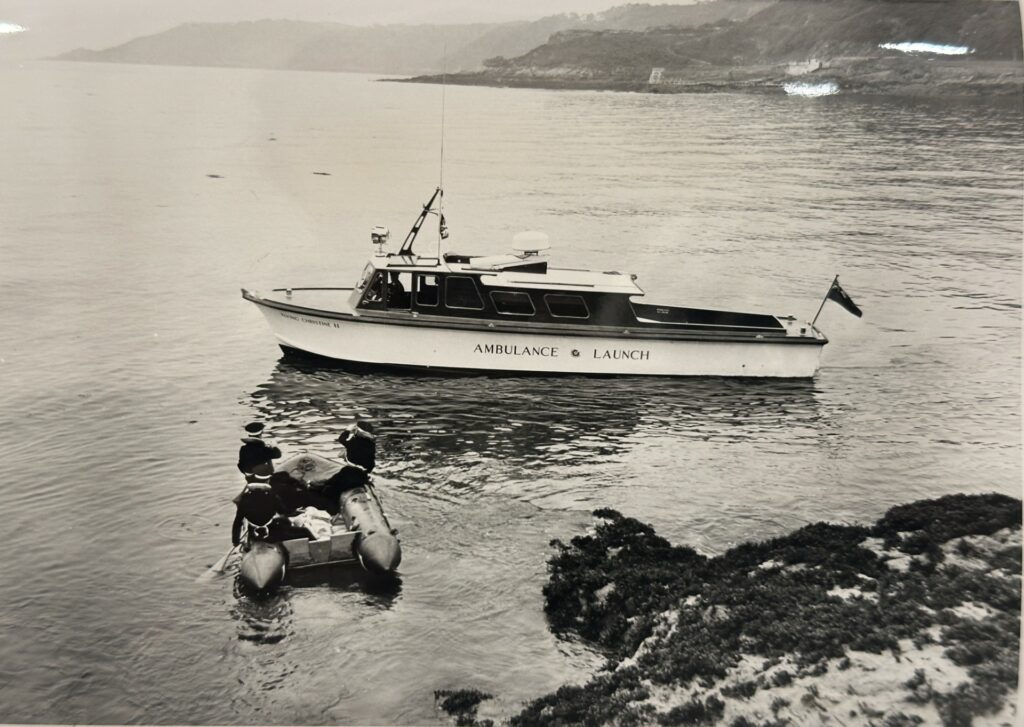
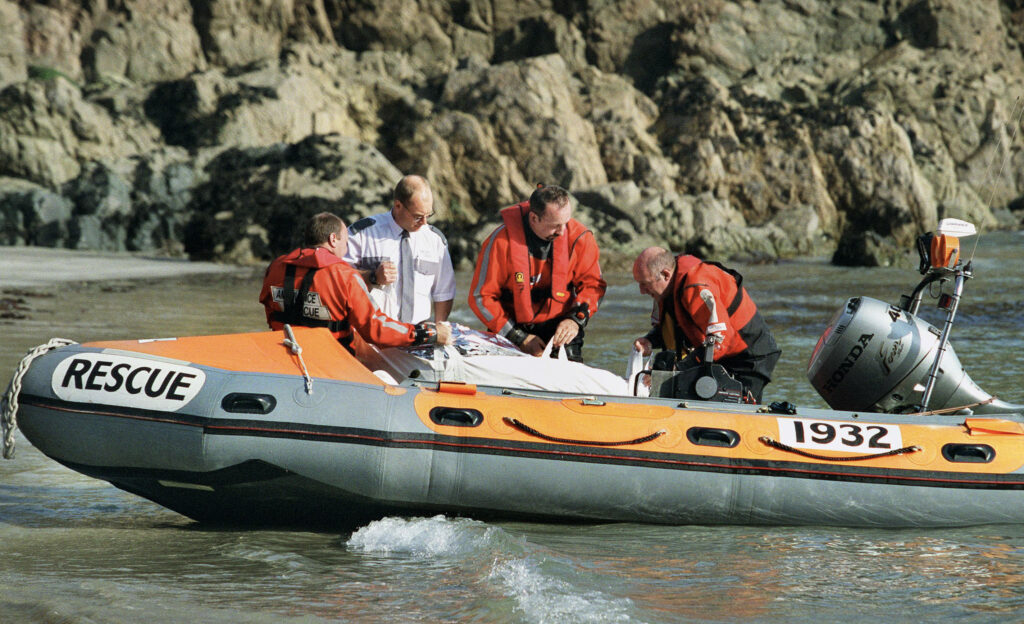
After the war the service grew with a number of pioneering developments during the 1950s and 60s, including the cliff rescue team, a diving team, inshore rescue boats, recompression chamber, and the world’s first marine ambulance Flying Christine. Ambulance crews not only treated sick and injured patients and conveying them to hospital, but also provided these essential rescue services. Staff were involved in countless daring rescues over the years, saving countless lives.
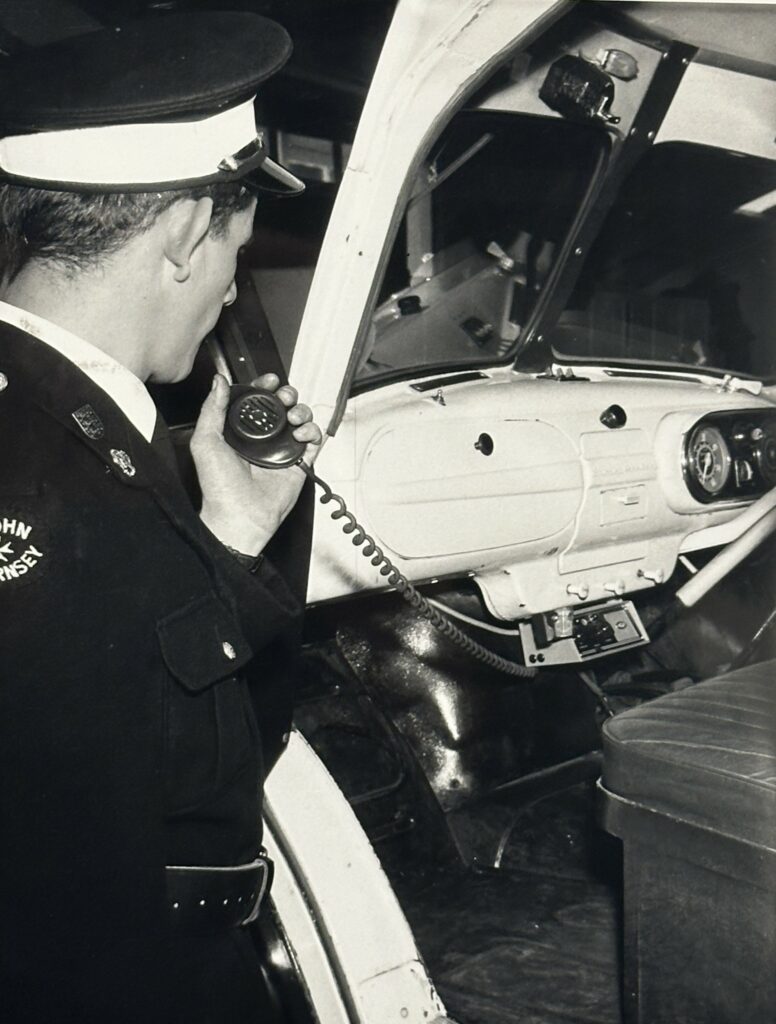
Guernsey was also the first place where mobile communications were installed in ambulances. It also had a dedicated mobile radar vehicle.
These pioneering years made the St John Ambulance & Rescue Service one of the most unique and advanced in the world.
In the early days the paid staff of the service were supported by volunteers from the St John Ambulance Brigade. That historic link between the professional service and the St John volunteers remains today, with SJARS and the St John Ambulance Guernsey charity sister organisations of the same St John group.
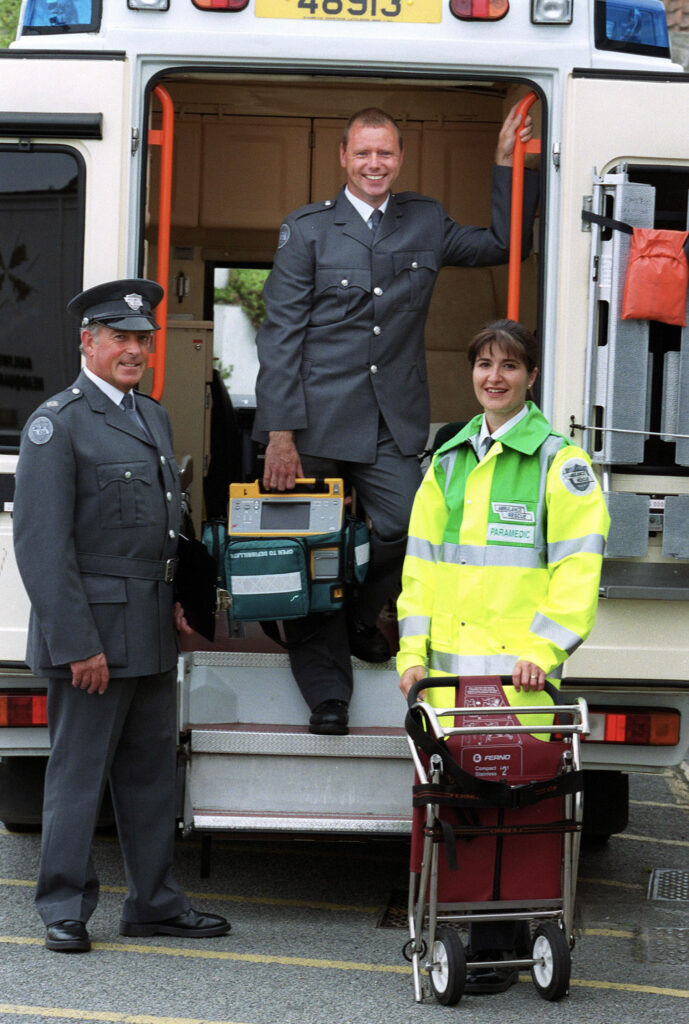
In recent times, the service has responded to the changing demands of the island community and while some of the original rescue elements are now the responsibility of other agencies, such as the RNLI and the fire service, SJARS is focused on providing excellent pre-hospital paramedic-led care to islanders. The first paramedic was introduced in 1992, with the first female paramedic appointed in 1998. Today SJARS employs around 60 staff, made up of paramedics, emergency medical technicians, emergency care assistants, ambulance care assistants and support staff.
St John provides the Ambulance Service on behalf of the States of Guernsey through a grant from the Committee for Health & Social Care.The grant is a contribution towards the operating costs of the service, with the remaining costs being met in a variety of ways including the subscription scheme and charges.
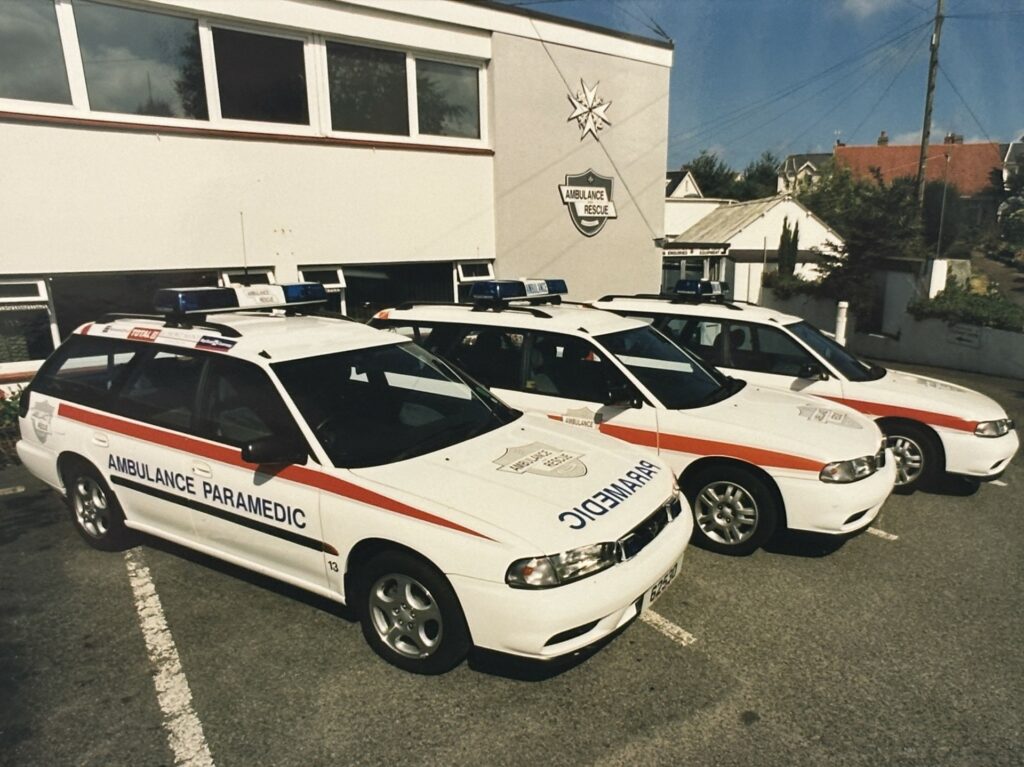
Today, SJARS responds to around 10,000 cases every year, made up of approximately 7,000 emergency and urgent calls and a further 3,000 non-emergency patient transfers. It operates a fleet of 5 front line emergency ambulances, 3 rapid response cars, two patient transfer vehicles, on off-road vehicle and the Flying Christine III marine ambulance.St John also provides the ambulance service in Alderney and supports the community first responders and ambulance volunteers in Herm and Sark.The uniforms, vehicles and equipment may have changed but the ethos of serving the community with care, compassion and excellence continues, reflecting the values of the St John organisation, in the service of humanity.